
Beyond the Design Team
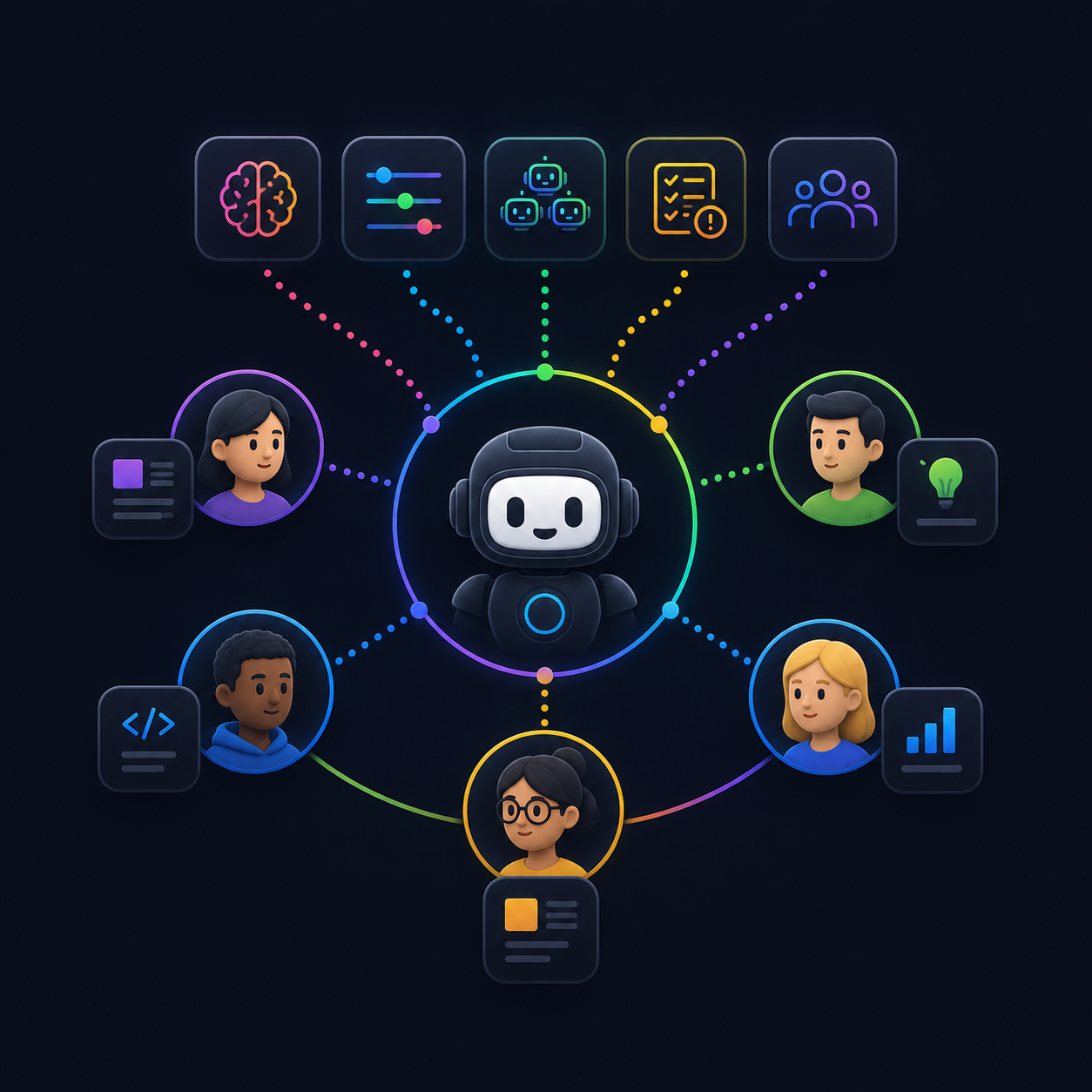
The next opportunity for Product Design isn’t another tool or faster workflow, it’s building the systems that make good design scale: a living knowledge layer that captures how Design thinks, principles that define how AI should behave, agents that augment the team, quality control that keeps increasingly automated work in check, and an ecosystem that puts all of this into the hands of teams across the organization.
Together, these point to a bigger systems and enablement role for UX. One that shapes the intelligence and infrastructure behind how products get made.
Here are five areas where that opportunity is taking shape:
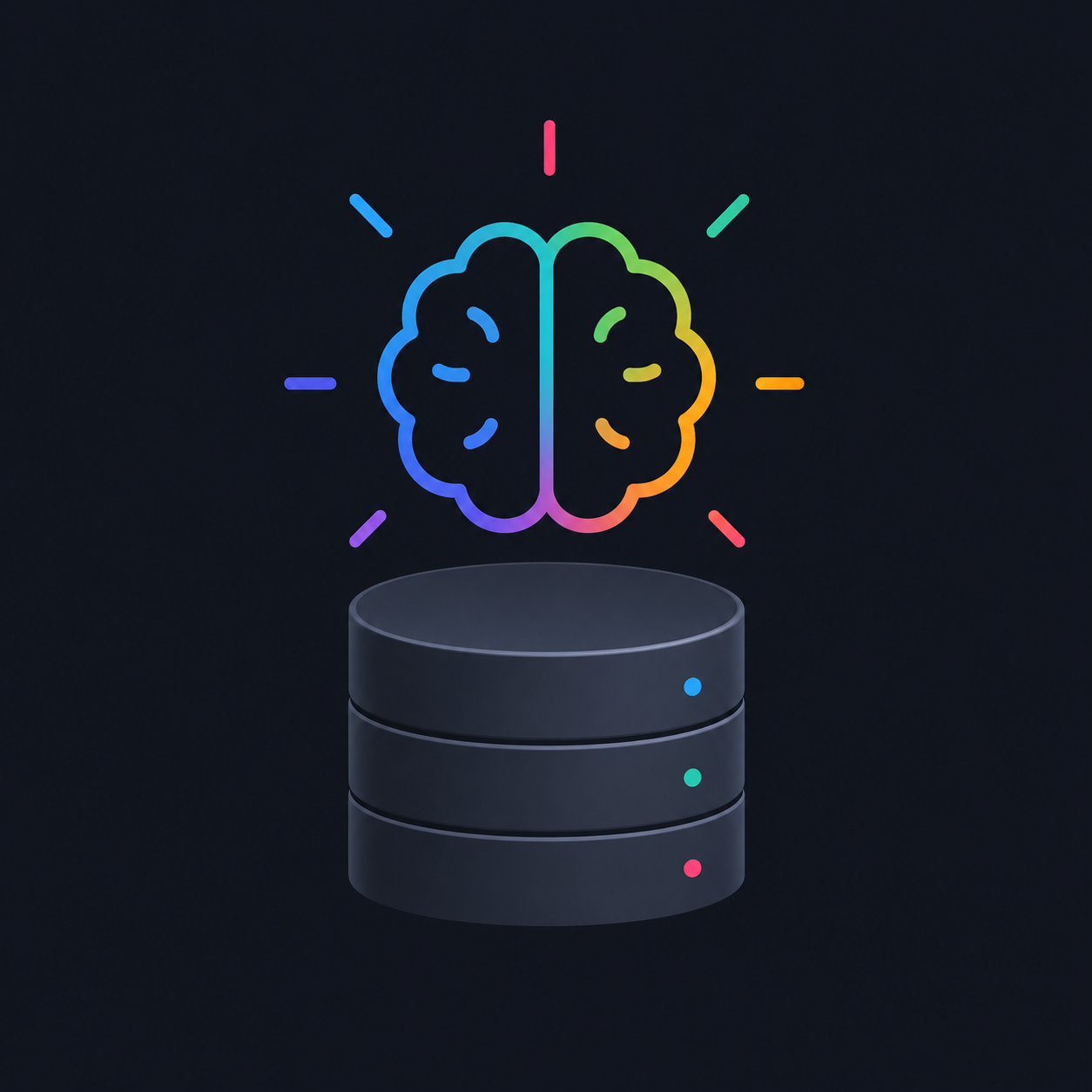
Build a living product design knowledge layer
Design teams generate an enormous amount of knowledge: research, patterns, decisions, accessibility standards, content guidance, and lessons learned. Most of it is scattered across tools or lives in the heads of experienced designers.
The opportunity is to turn that into a living product design knowledge layer that people and AI can actually work from, and includes the preliminary set of reusable AI skills for common design activities.
The knowledge layer should answer questions, surface evidence, explain why a pattern exists, and get smarter as new knowledge arrives. Eventually, it can connect into a much larger company intelligence layer spanning customers, products, support, sales, and the business.
For example
Ask, “How should upgrade prompts work in this product?” and get an answer informed by previous research, established patterns, accessibility standards, and decisions made by other teams.
The goal is to extend the design system beyond components and documentation to capture the collective intelligence of the design organization.
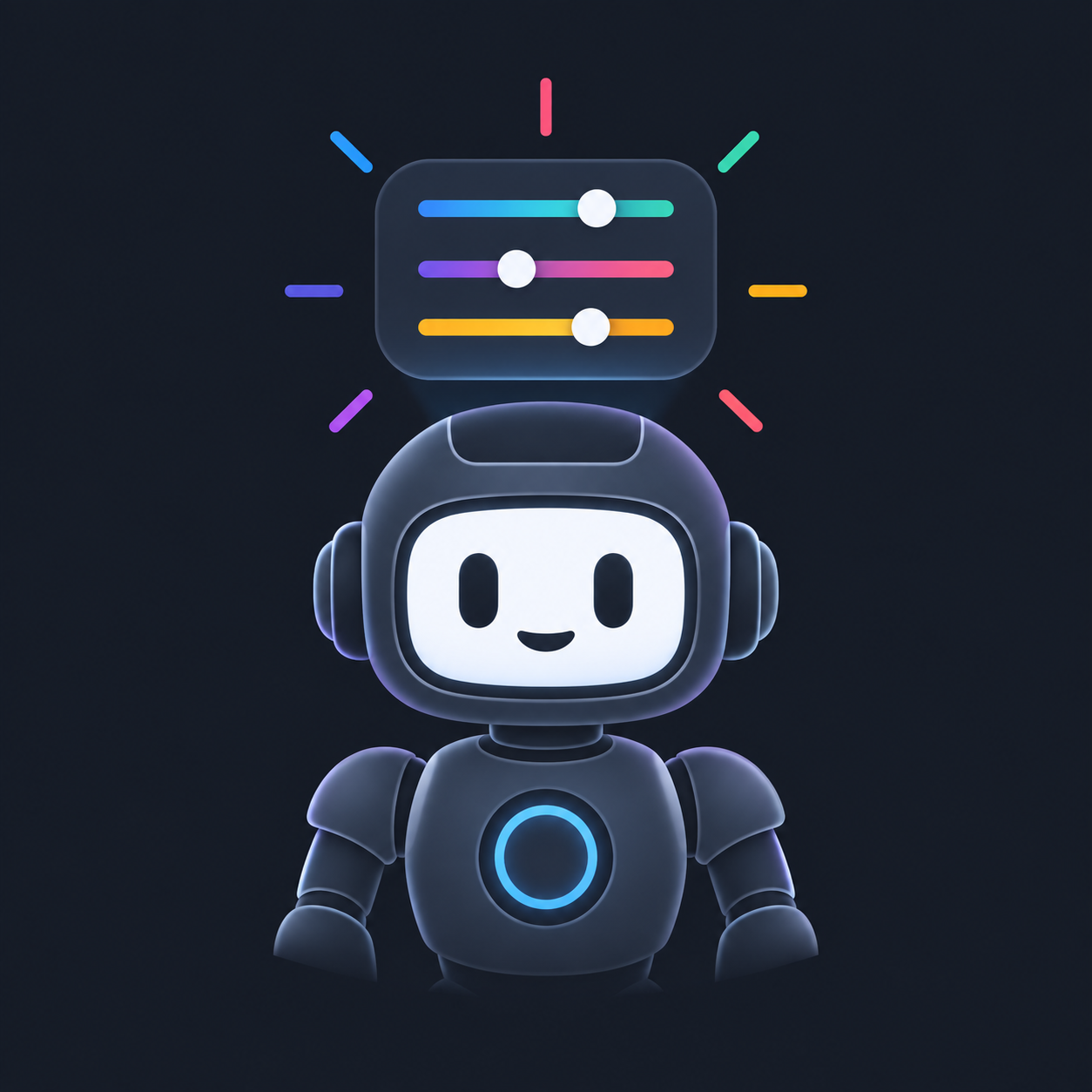
Design how AI behaves
Designers have spent decades defining how interfaces should behave. AI introduces a new layer: how the intelligence itself should behave.
When should it act? When should it ask? How should it communicate uncertainty? What should it remember? How should it explain a recommendation? When should it hand control back to the user?
These decisions need patterns and principles just as interfaces do.
Salesforce's Lightning Design System 2 is an early example of this direction, incorporating guidance for AI experiences into the design system itself.
For example
An AI assistant shouldn't simply have a consistent visual treatment. Designers need to define how it communicates confidence, aligns with the brand, asks for confirmation before consequential actions, explains what it has done and helps someone recover when it gets something wrong.
The goal is to make AI behaviour part of the design system.
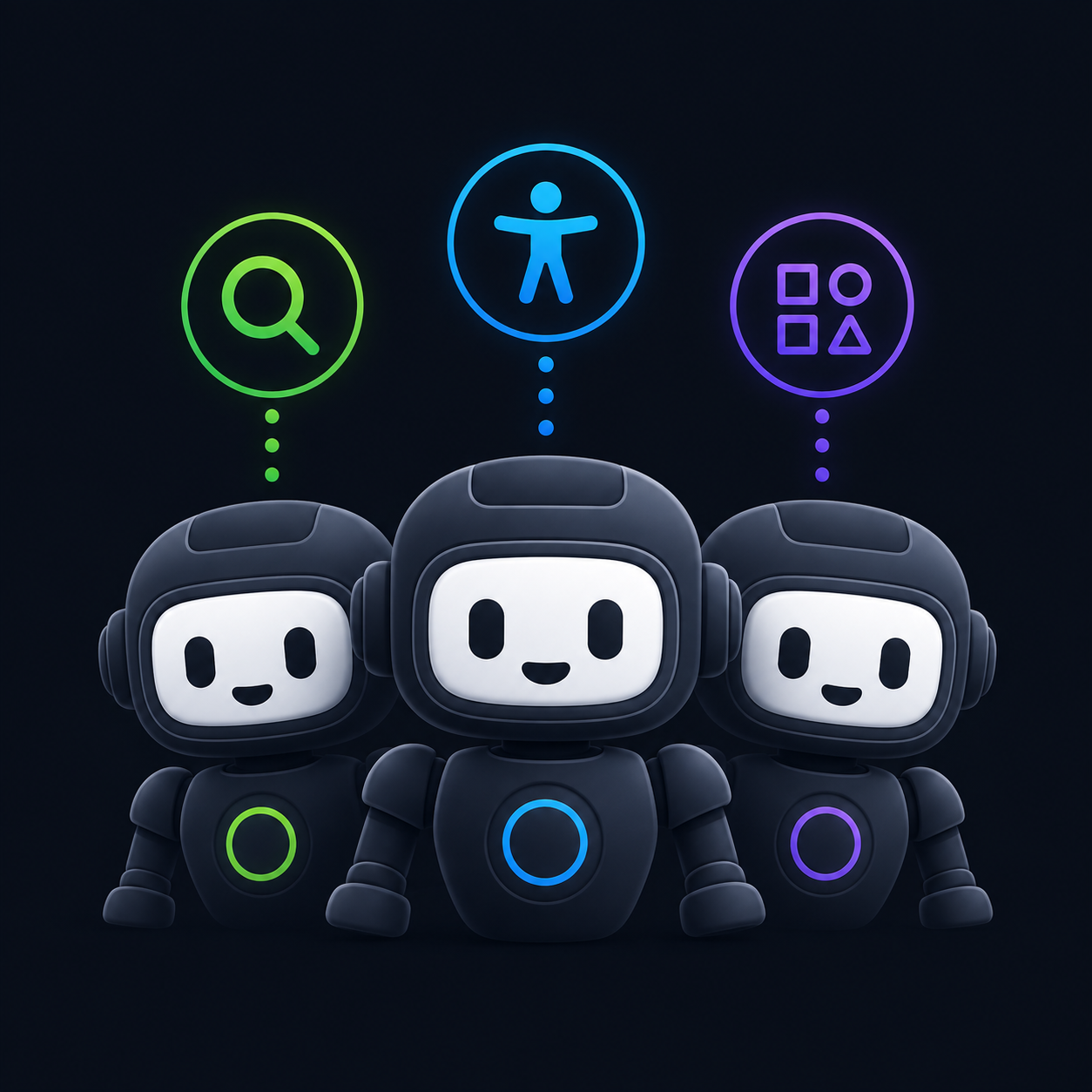
Build agents that augment the design team
The next step beyond using AI tools is creating AI teammates built around the way a design organization actually works.
A research agent might continuously synthesize customer signals. A design-system agent could review new experiences for consistency. An accessibility agent could catch issues before review. A critique agent could challenge assumptions using customer evidence.
This is where the skills created and vetted in the knowledge layer become especially powerful. Instead of asking a designer to manually invoke an accessibility review, research synthesis, critique, or pattern check, those same skills can become capabilities an agent knows when and how to use.
Building off the previous steps, these are agents with specific responsibilities, capabilities, behaviour, access to the right knowledge, and clear boundaries for when human judgment is required.
For example
Imagine an agent that joins every design review already knowing the relevant research, design-system guidance, accessibility requirements, and previous decisions. It flags issues and provides evidence, leaving the humans to debate the decisions that actually require judgment.
The goal is to determine what AI teammates a modern design team should have, and build them.
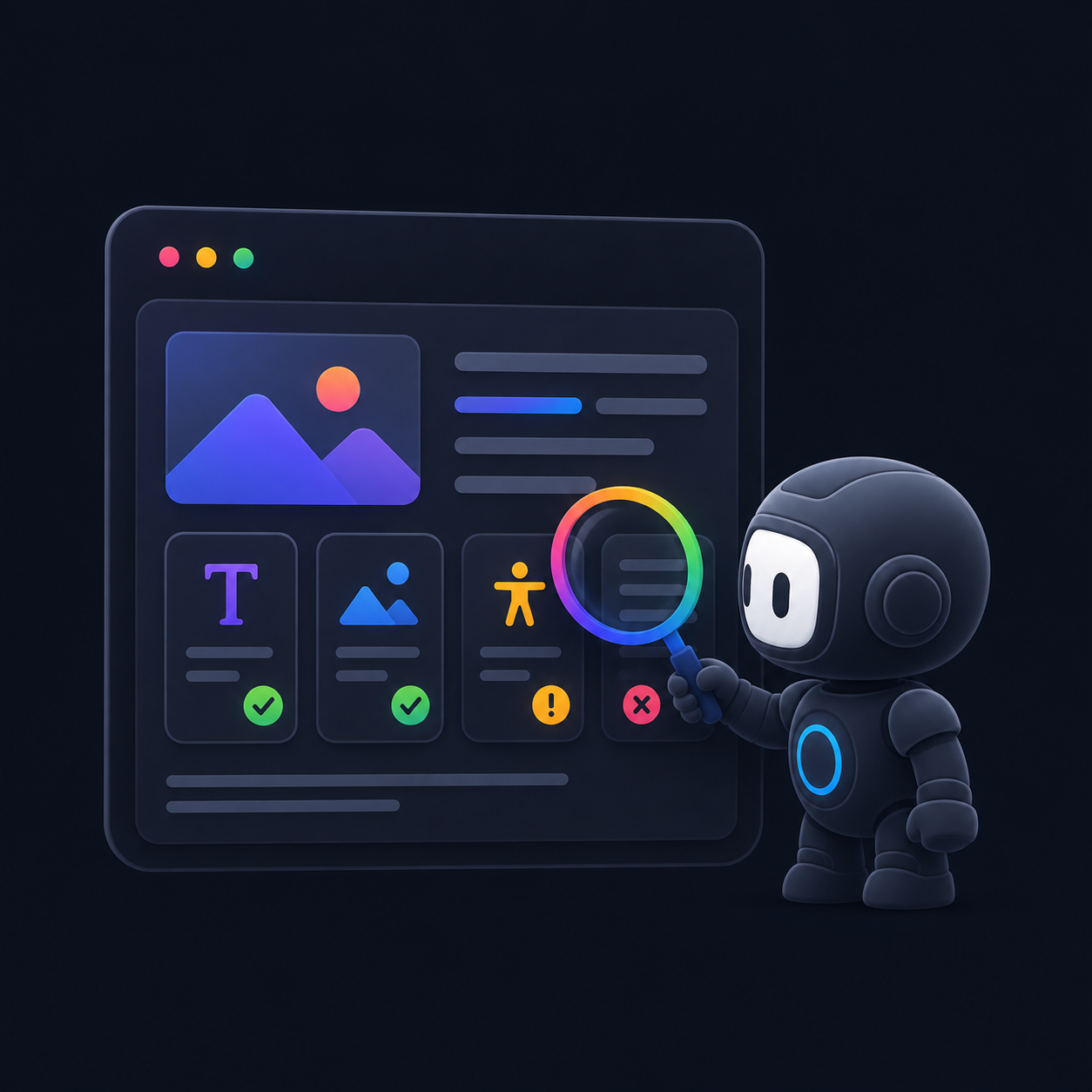
Design the quality control system
When people and agents can create experiences at unprecedented speed, Design can’t manually review everything they produce.
The opportunity is to build quality control into the way work gets done. Define what good looks like, automate the checks that can be automated, and establish where human judgment is still required.
For example
An AI-generated experience could automatically be checked against accessibility requirements, product patterns, content standards and customer evidence. Only exceptions or higher-risk decisions get escalated to a designer.
The goal is to design a system that inspects for quality at scale.
Build UX capability across the organization
This is where everything above comes together.
Imagine teams across an organization having access to Design's knowledge, working within established AI behaviour patterns, supported by specialized agents, and operating inside a shared quality system.
UX can provide the infrastructure that helps more people make good customer decisions without requiring Design to participate in every one of them.
A product manager exploring an idea could access the same customer knowledge as a designer. An engineer building it could work with an agent that understands the design system. AI-generated experiences could inherit established behavior and quality standards automatically. Designers can step in where their judgment has the greatest impact.
The goal is to make the entire organization more capable of creating good experiences.
Done effectively, companies have the opportunity to embed UX thinking more deeply into how an organization works. When knowledge, standards, agents, and quality controls become part of the infrastructure, good design becomes easier to practice at scale. That gives Product Design a different kind of leverage, and helps companies make better decisions at scale.