
Designing Beyond the Screen
What the Agentic Era Means for Product Design
As AI agents become more capable, software is becoming increasingly “headless,” reducing the need for users to navigate traditional interfaces, workflows, and dashboards. Instead of navigating applications manually, people increasingly interact with software conversationally, expressing intent in natural language while intelligent systems determine how the work gets done through APIs, MCP-enabled tools, and systems of record (SoR). Salesforce’s announcement of Headless 360 last month provides clear intent on the company’s future direction, and renowned UX thought leaders like Jacob Nielsen summarize it well by saying, “No more UI: once superintelligence arrives, there will be no UI design, since users will be using their agents instead of interacting directly with websites.”
This shift has major implications for design. While I would argue that interfaces won’t completely disappear, I do agree that their role will evolve from operational tools into systems for conversation, orchestration, supervision, and trust. Rather than manually executing workflows, users will guide autonomous systems by defining goals, reviewing outcomes, and intervening only when necessary.
Designing Headless Software Experiences
As software becomes more “headless,” what it means to design software shifts dramatically. The future of product design is less about crafting static interfaces and more about shaping intent, orchestration, trust, and collaboration between humans and AI systems. Here are a few considerations for AI-first designers to consider when embarking on this new era:

Design for Intent
In traditional software, users learned how interfaces worked. In AI-native systems, users increasingly express goals in natural language and expect systems to figure out the details. Designers must learn how to shape experiences around intent rather than interaction. The challenge is no longer helping users click through workflows, it’s helping systems understand what users truly mean.
Help users express goals
Learn from users iteratively
Offer multiple input options (chat, voice, gestures)
Focus on desired outcomes
Design for Delegation
Headless software changes the relationship between users and technology. Instead of manually performing every task, users increasingly delegate work to AI systems. Designers must think carefully about how tasks are handed off, how much autonomy AI should have, and how users remain informed and in control throughout the process.
Determine when to escalate
Design intervention moments
Balance autonomy with control
Design Connected Systems
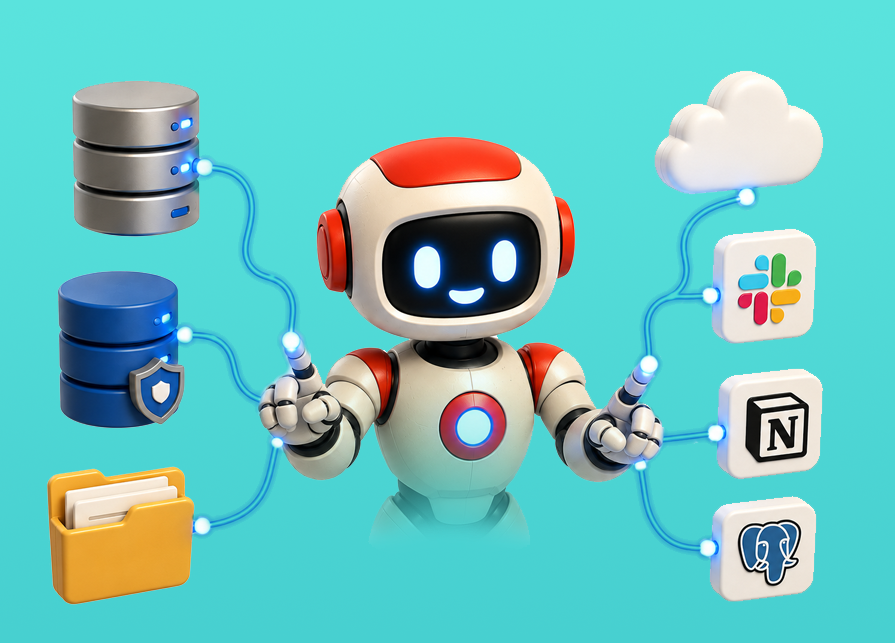
As AI agents begin operating software directly through APIs and workflows, the interface becomes only one layer of the experience. Designers must think beyond individual screens and understand how systems, workflows, and operational logic connect together. The most valuable designers will increasingly be those who understand how businesses actually function beneath the UI layer.
Think cross-platform / cross system
Learn how AI completes work (APIs, MCP, data systems)
Map dependencies and business logic

Design for Supervision
As autonomy increases and automation becomes more powerful, trust becomes one of the most important design challenges. Users need confidence that AI systems are behaving correctly, making reasonable decisions, and remaining accountable. Designers must create experiences that provide visibility, transparency, and opportunities for intervention when needed transitioning the user’s role from operator to supervisor.
Design recovery paths
Make actions reversible
Built trust through transparency
Surface AI reasoning
Design Around Context
AI systems become significantly more valuable when they understand context. Designers now play an important role in shaping how systems remember information, personalize experiences, and surface relevant knowledge over time. Context and memory are quickly becoming core experience layers rather than hidden backend functionality.
Define what AI should remember
Personalize experiences (evolve with usage)
Structure contextual data
Implement privacy and control
Design for Evaluation
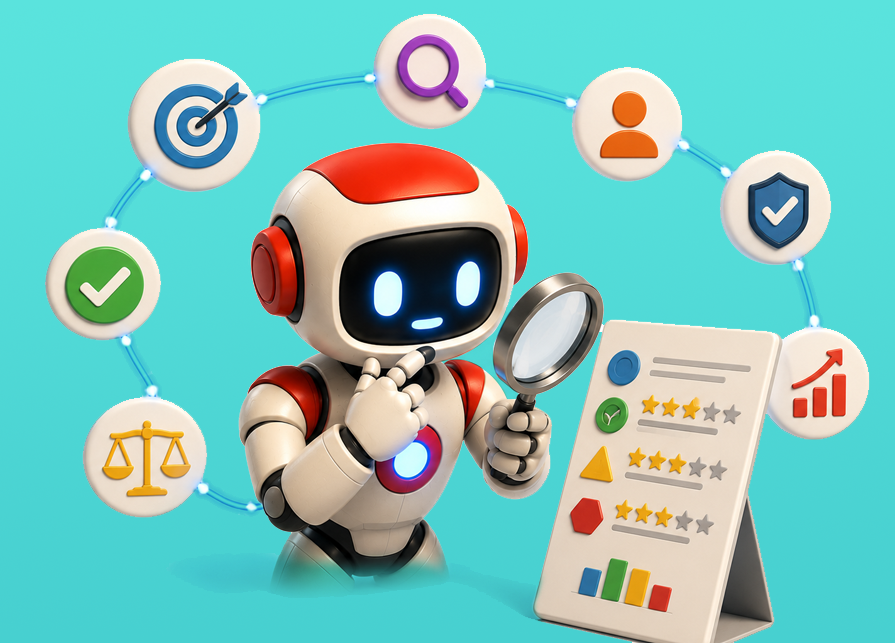
In AI-driven products, generating outputs is often easy. Evaluating those outputs is much harder. Users increasingly need help assessing confidence, comparing recommendations, and determining whether AI-generated work is trustworthy. Designers must create experiences that support judgment and critical thinking instead of simply accelerating execution.
Establish evaluation frameworks
Allow for output comparisons
Support iterative improvement
Explore self-improving systems
Design Collaborative Workflows
The future of software is increasingly collaborative. Humans and AI systems work together rather than independently. Designers must shape workflows where AI assists, recommends, automates, and adapts while humans guide, refine, and make final decisions. Great AI experiences feel less like tools and more like partnerships.
Treat AI as a teammate
Create shared ownership
Engage users at meaningful moments
Design for Adaptability
Unlike traditional software, AI systems evolve continuously. Experiences become dynamic rather than fixed. Designers must think about how products adapt over time, how users build familiarity with evolving systems, and how trust is maintained even as behaviors change. Designing static interfaces is giving way to designing adaptive systems.
Support changing goals and priorities
Design systems that evolve
Improve experiences via feedback loops
Adapt to the user
Designers now have the opportunity to shape how humans collaborate with intelligent systems through intent, trust, orchestration, and adaptive workflows. We’re still incredibly early in defining what great AI experiences look like which makes this one of the most exciting moments in the history of design. So if you’re exploring AI-first products or making the leap from traditional SaaS UX into this new era, let’s have some fun redefining what design means together.